solar panel tilt mounts
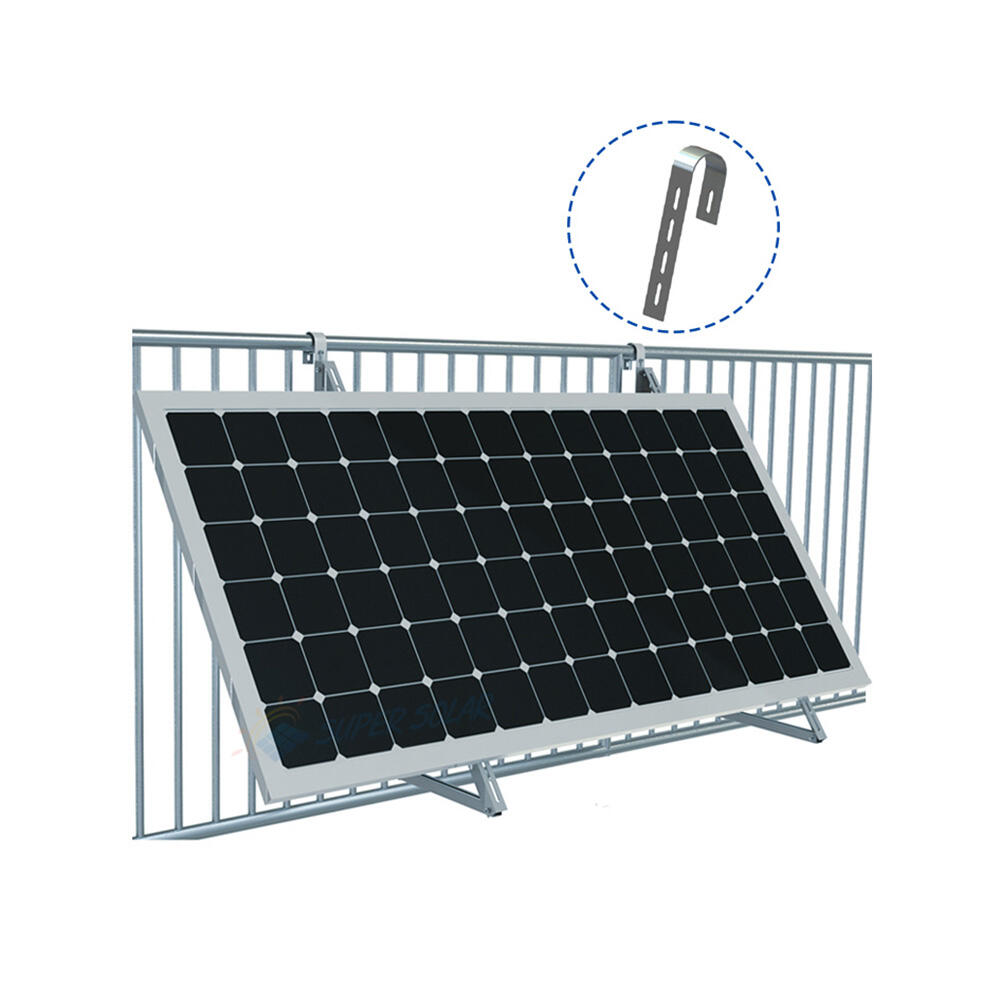
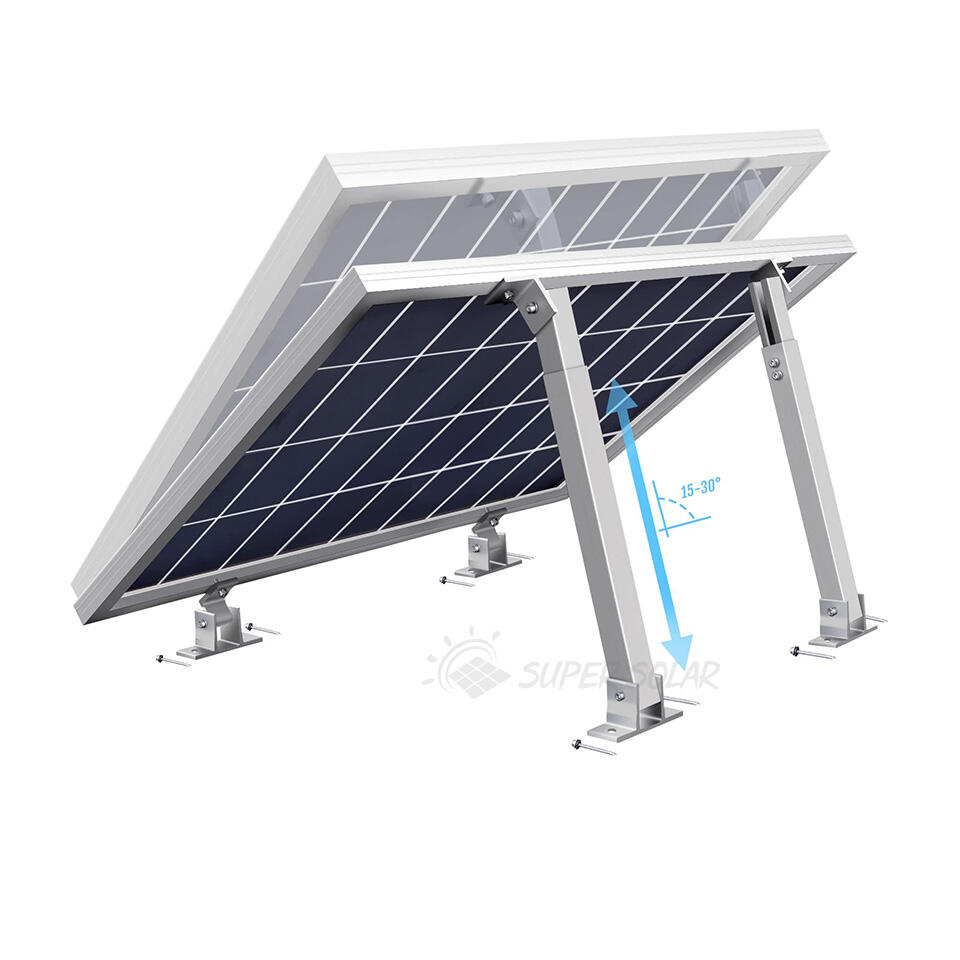
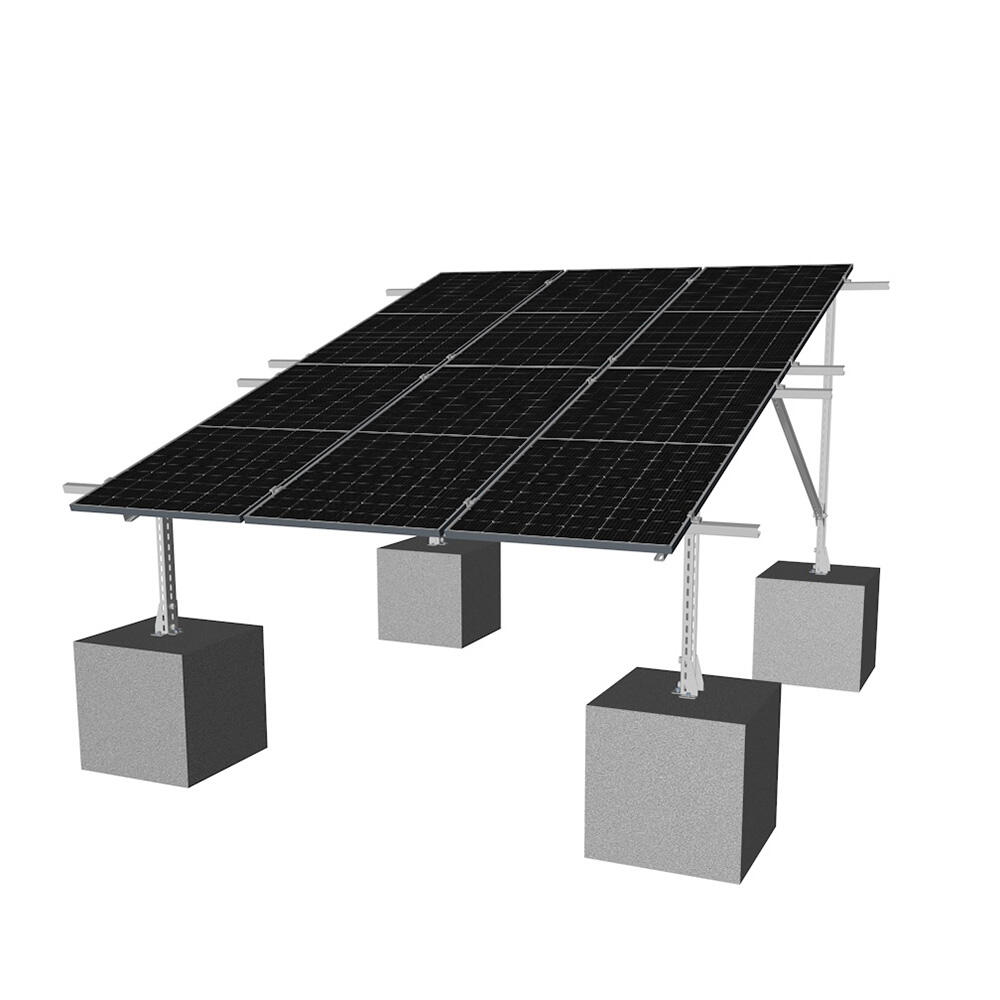
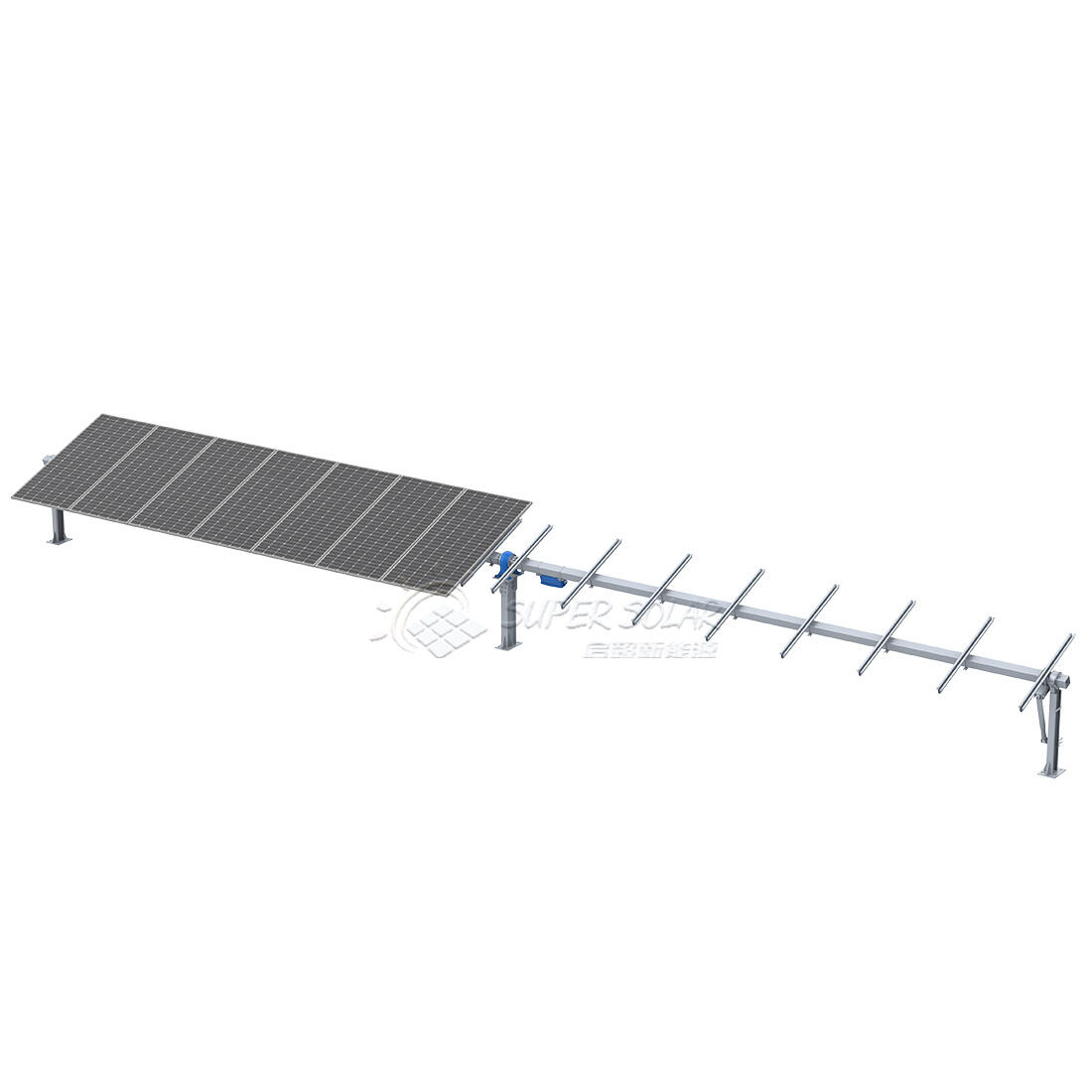
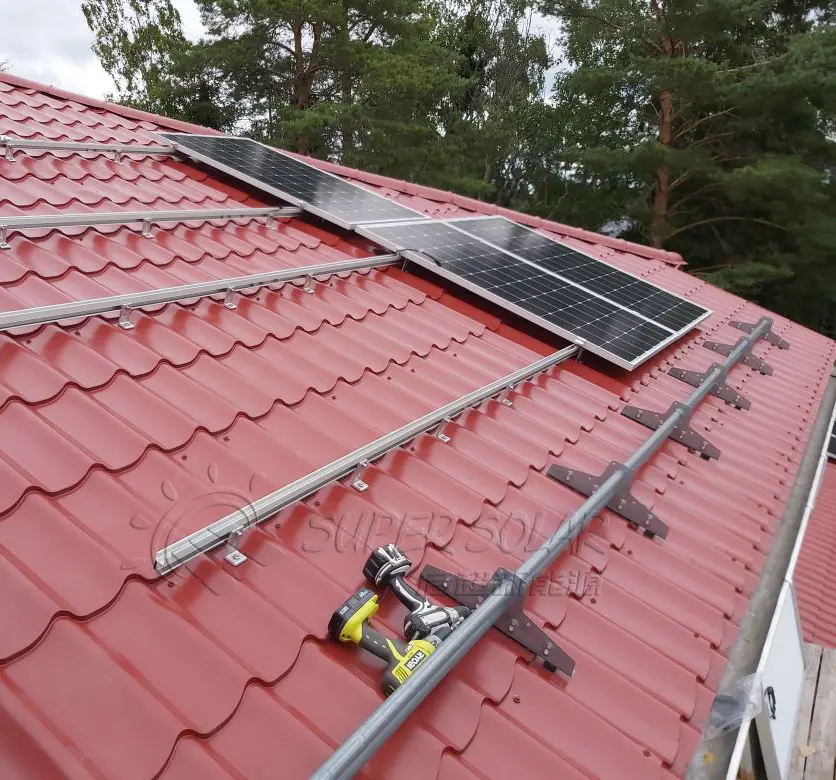
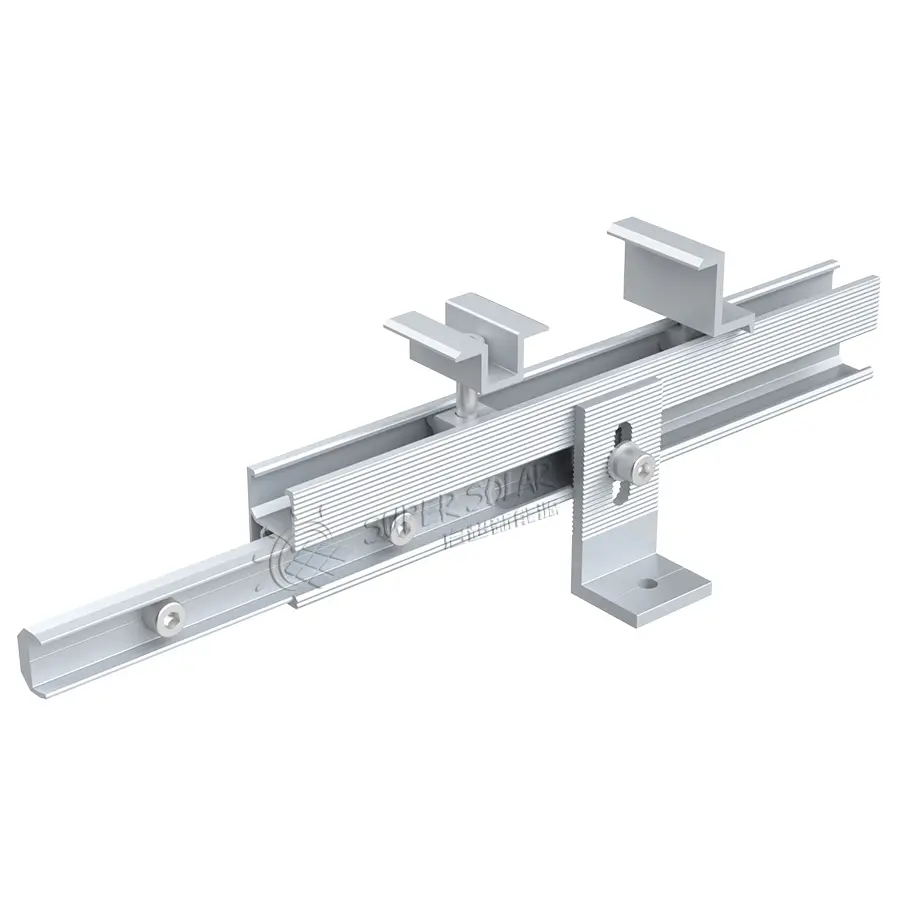
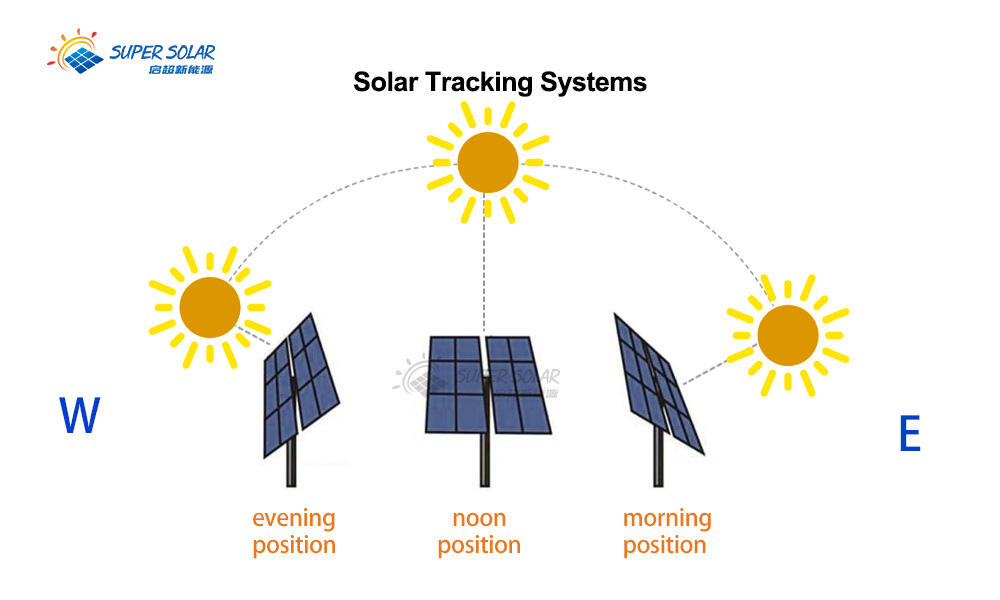
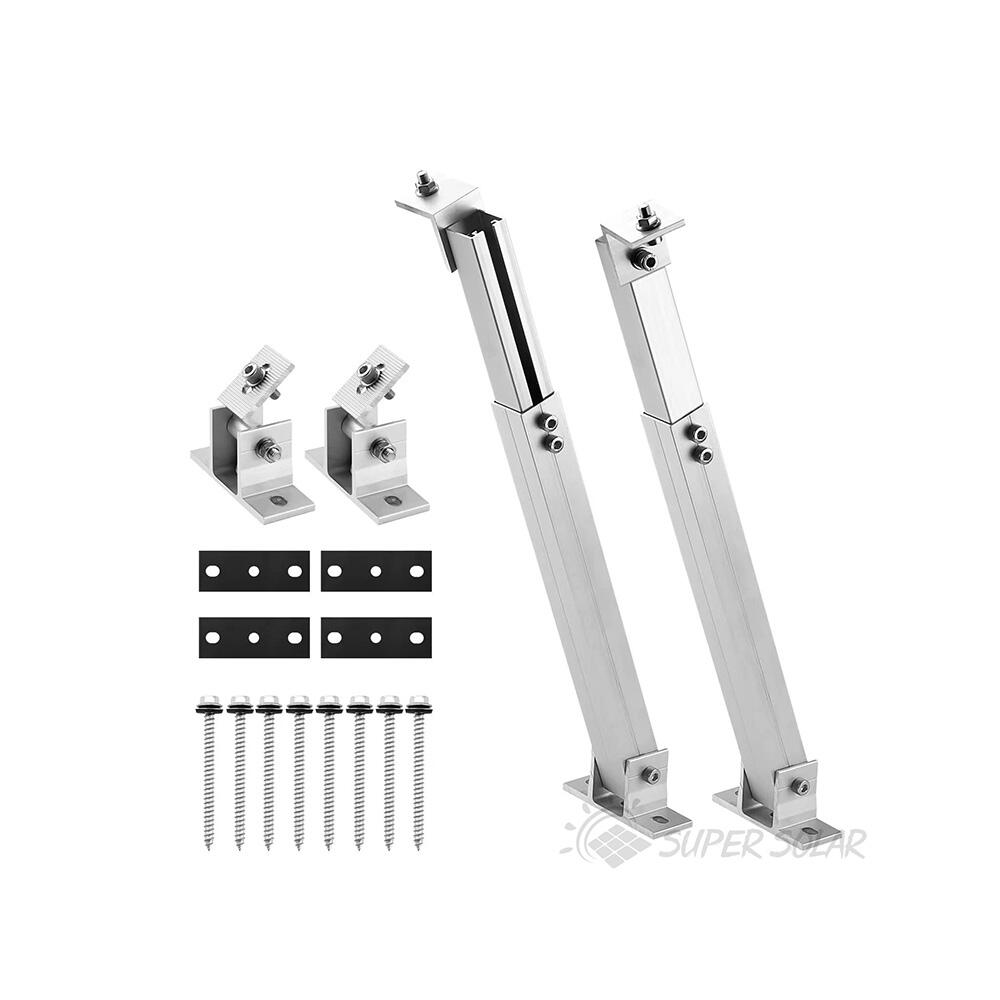
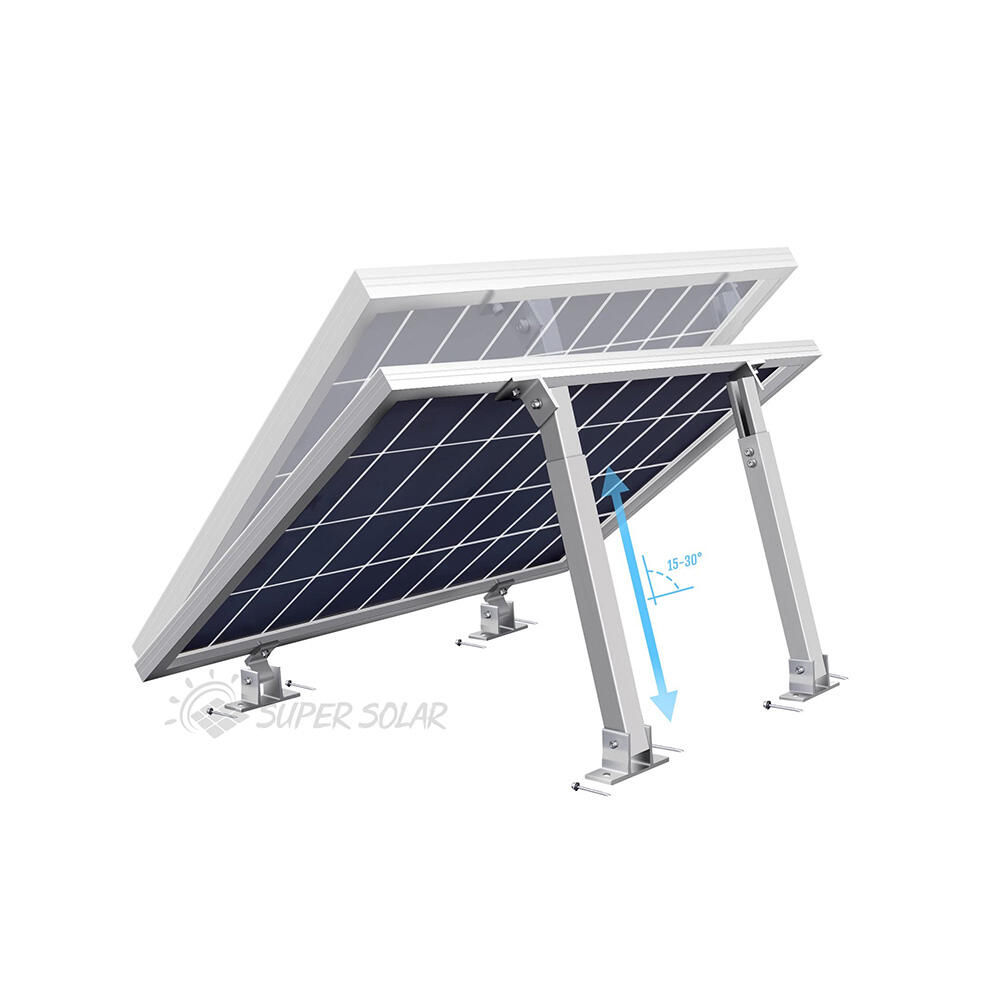
Solar panel tilt mounts represent a revolutionary advancement in renewable energy infrastructure, designed to optimize the positioning and angle of photovoltaic panels for maximum energy generation efficiency. These sophisticated mounting systems enable precise adjustment of solar panel orientation, allowing installations to capture optimal sunlight throughout different seasons and varying geographical locations. The primary function of solar panel tilt mounts involves providing a stable, adjustable platform that can be configured to achieve the ideal angle relative to the sun's position, significantly enhancing energy production capabilities compared to fixed installations. Modern solar panel tilt mounts incorporate advanced engineering principles, featuring robust aluminum or galvanized steel construction materials that resist corrosion while maintaining structural integrity under various weather conditions. The technological framework includes precision-engineered pivot mechanisms, secure locking systems, and weather-resistant components that ensure long-term reliability and performance. These mounting solutions accommodate different panel sizes and configurations, making them versatile for residential, commercial, and industrial applications. The adjustment mechanisms typically allow for seasonal positioning changes, enabling users to modify panel angles according to sun elevation variations throughout the year. Installation flexibility represents another crucial aspect, as solar panel tilt mounts can be adapted for ground-mounted arrays, rooftop installations, and specialized terrain conditions. The systems incorporate safety features including anti-slip surfaces, secure fastening points, and wind-resistant designs that meet stringent engineering standards. Quality solar panel tilt mounts undergo rigorous testing for load-bearing capacity, environmental durability, and mechanical reliability, ensuring consistent performance over decades of operation. Applications span across diverse sectors including residential solar installations, commercial energy projects, agricultural solar farms, and remote off-grid power systems, demonstrating the versatility and widespread utility of these essential components in modern solar energy infrastructure.
 EN
EN